
Fitness & Molecular Diversity
Metabolic diversity supports survival in varied environments.
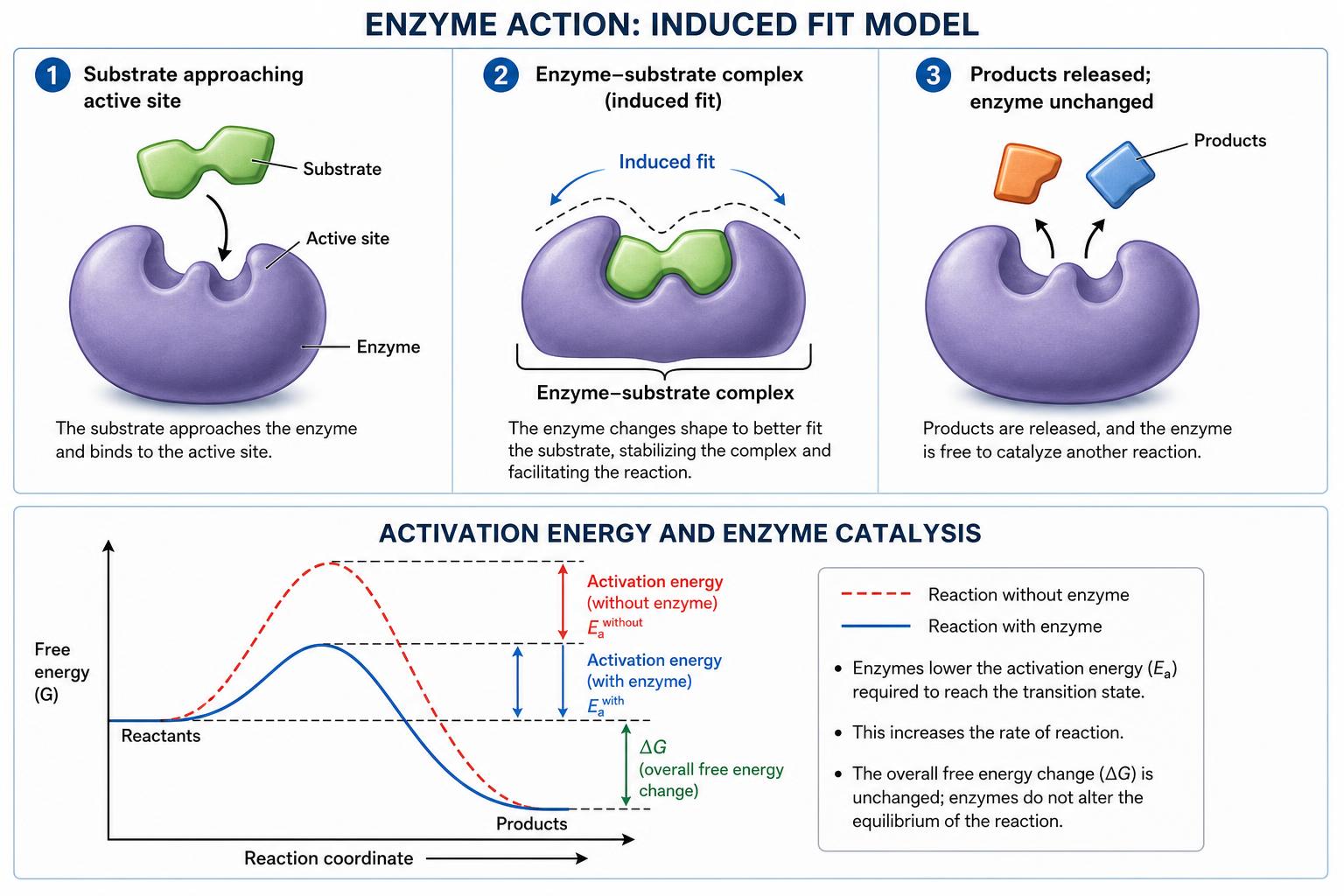
Variation at the molecular level
Even within a single species, individuals carry slightly different versions of metabolic enzymes. Those small differences — lactose tolerance in adult humans, alcohol dehydrogenase variants, antibiotic resistance enzymes in bacteria — can make a huge difference in fitness when the environment changes.
Natural selection acts on this molecular variation just like it acts on visible traits. Enzymes that work better at a new temperature, in a new pH, or against a new toxin spread through the population.
Anaerobic vs. aerobic metabolism
Some bacteria are obligate anaerobes — oxygen actually poisons them, so they live deep in soils or guts where O₂ doesn't reach. Others are facultative anaerobes (like E. coli and yeast) that use O₂ when it's around and switch to fermentation when it isn't.
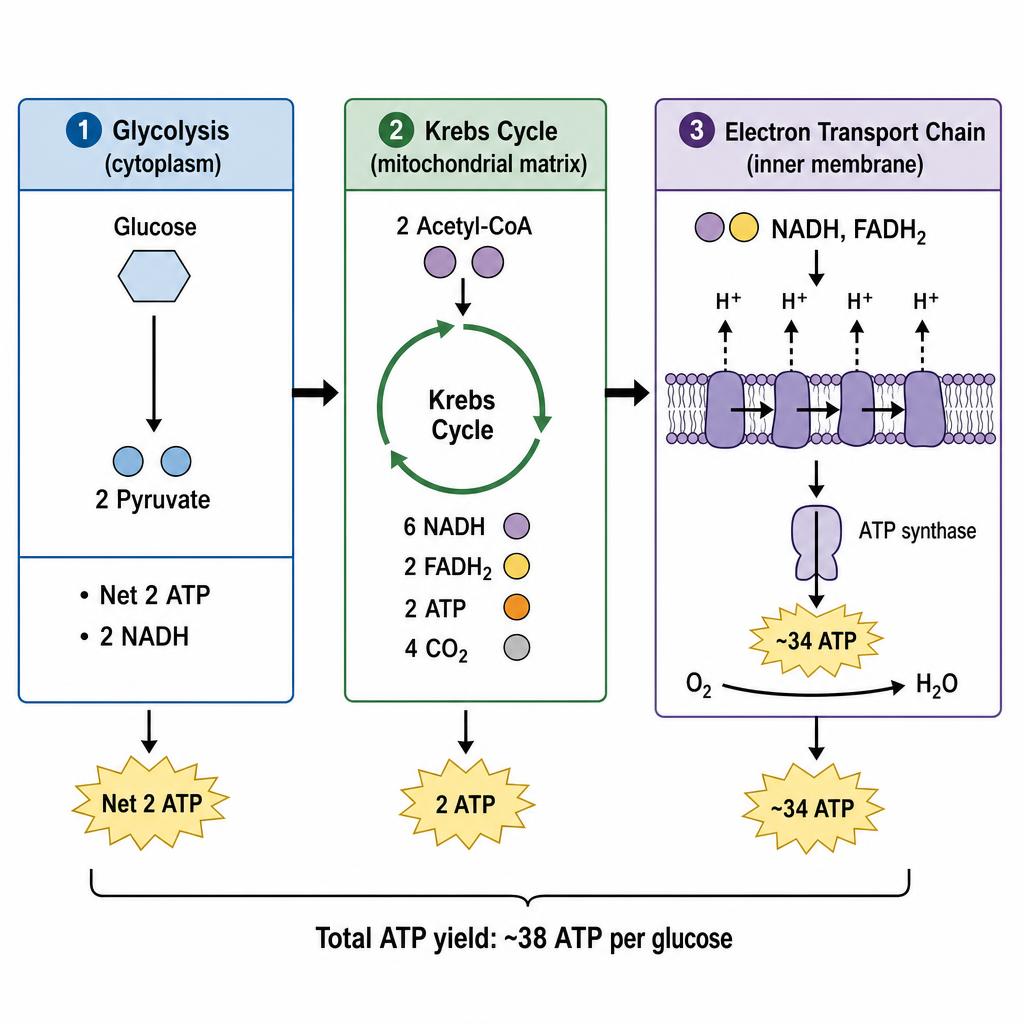
Aerobic respiration extracts much more ATP per glucose (~30–32) than fermentation (2), but anaerobic environments are common (deep mud, gut interiors, waterlogged soils), so anaerobic metabolism remains hugely successful.
Photosynthesis vs. chemosynthesis
Most producers use light energy (photoautotrophs — plants, algae, cyanobacteria). But near hydrothermal vents on the deep ocean floor — where sunlight never reaches — chemoautotrophic bacteria oxidize hydrogen sulfide (H₂S) or methane to fix carbon and build organic molecules, supporting entire ecosystems of tube worms, clams, and crabs.
Key terms
Quick definitions to lock in before the exam.